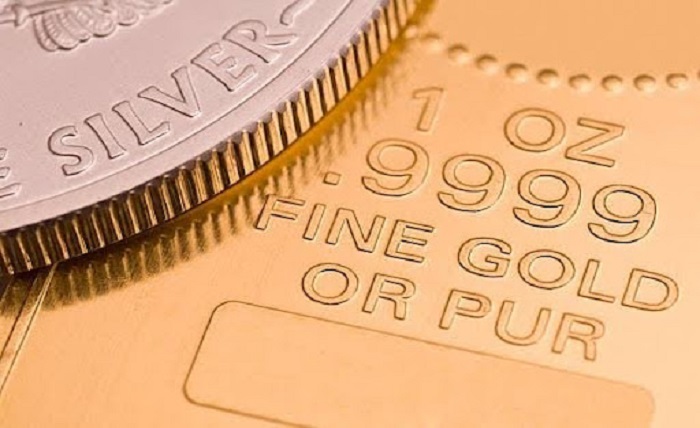
Imagine this: you’re sitting on a family heirloom, a solid 50 tola gold bar, passed down through generations. Its weight is substantial, its value immense. But in today’s whirlwind economy, its worth isn’t static, it dances to the tune of global markets, local demand, and a dozen other invisible forces. One day, the news screams about record highs, and you wonder if that’s the moment. The next, a dip sends a shiver of doubt. For anyone in India holding, buying, or even contemplating 50 tola gold, this volatility isn’t just financial news—it’s personal. Tracking the 50 tola gold price efficiently isn’t about obsessive checking, it’s about empowered decision-making. It’s the difference between reacting to the market and engaging with it intelligently. So, how do you cut through the noise and monitor this significant asset without it becoming a full-time job? Let’s dive into a practical, no-nonsense guide.
First things first, you need to know exactly what you’re tracking. In India, gold is often quoted per 10 grams in rupees. But a 50 tola gold price is a different beast altogether. Historically, a tola is a unit of mass, roughly 11.6638 grams. So, 50 tola is a substantial 583.19 grams—over half a kilogram of pure potential. When you look up prices, you’ll rarely see a live ticker for “50 tola.” Instead, you’ll find the per-gram or per-10-gram rate. The magic happens with a simple multiplication: (Gold price per gram) x 583.19. This gives you the approximate market value of 50 tola of 24-karat gold. Remember, this is for 24K. If your item is 22K or 18K, you need to factor in purity, which significantly alters the final figure. Websites like the one you mentioned, Bitget’s calculator, do this heavy lifting instantly, converting the 50 tola gold price into INR based on live rates. Understanding this basic math liberates you, you’re no longer confused by different quotes and can instantly gauge the ballpark for your holdings.
The Digital Dashboard: Your Price Tracking Hub
Gone are the days of waiting for the morning paper’s tiny financial section. Your smartphone is now the most powerful tool for tracking the 50 tola gold price. But with a million apps and websites, where do you start? The key is to identify reliable, frequently updated sources. Dedicated financial news portals like Moneycontrol, Economic Times, and Bloomberg Quint have dedicated commodity pages with live gold charts (in INR per 10 grams). These are fantastic for context—they show trends, historical data, and are backed by credible reporting. Then, you have the bullion dealers themselves. Major, reputable names like MMTC-PAMP, PNG Jewellers, or local bullion associations often display live buy/sell prices on their websites. These are the prices closest to the actual transaction value, though they include making charges for jewellery. For a pure bullion perspective, international platforms with local converters, like the Bitget calculator you found, are incredibly handy. They pull in global spot prices and convert them directly, giving you a clean, import-parity based 50 tola gold price in rupees. Don’t rely on just one. Bookmark two or three. Compare them. You’ll quickly see which one updates fastest and feels most reliable for your needs.
Setting up alerts is where efficiency truly kicks in. You don’t need to stare at a screen all day. Almost every financial website and many dedicated gold apps allow you to set price alerts. Decide on your thresholds. Is there a specific 50 tola gold price target you’re waiting for? Maybe it’s ₹XX,00,000. Set an alert for when the per-gram price reaches that corresponding level. You can also set alerts for significant movements—like a 1% or 2% change in a day. This way, the market comes to you. Your phone will ping only when something meaningful happens, saving you hours of pointless checking. Think of it as having a personal market assistant. Furthermore, leverage technology like Google Alerts. Set up an alert for phrases like “gold price India today” or “MCX gold rate.” While not as precise, it will deliver news articles and analysis directly to your inbox, helping you understand the why behind the price change, not just the number.
Understanding the Why: The Forces Behind the Glitter
Efficient tracking isn’t just about knowing the number, it’s about understanding what makes the number move. This knowledge helps you anticipate trends rather than just follow them. The 50 tola gold price in India is a fascinating cocktail of international and domestic factors. Internationally, the most significant driver is the US dollar price of gold (spot price). Since India imports most of its gold, a higher international price directly lifts domestic rates. This global price is swayed by the US Federal Reserve’s interest rate decisions, geopolitical tensions (gold is a classic safe haven), and the strength of the US dollar itself. Then come the local spices. The INR-USD exchange rate is crucial. If the rupee weakens against the dollar, even a stable global gold price becomes more expensive in India. Domestic demand is a huge seasonal factor. Think wedding seasons, festivals like Diwali and Dhanteras—demand surges, often pushing prices up. Government policies, like import duties, also add a fixed cost layer. Currently, a substantial import duty directly inflates the final 50 tola gold price for an Indian buyer compared to someone in Dubai or Singapore. By following simple financial news, you can start to connect the dots: “Oh, the rupee is down today, that’s why the price jumped despite quiet global markets.”
Beyond the Spot: Practical Considerations for Your Gold
When you calculate that enticing 50 tola gold price, remember, it’s usually the “spot” or “raw bullion” price. The moment you transact, other elements come into play. If you’re buying jewellery, making charges (craftsmanship cost) and GST will be added, taking the final price significantly above the pure gold value. If you’re selling, a jeweller or bank will likely offer a small discount to the spot price (their margin). For coins and bars, the premium is smaller but exists. Efficient tracking means being aware of this spread—the difference between the buy and sell price. Your tracked 50 tola gold price is the benchmark. When selling, you want to get as close to it as possible. When buying, you understand how much extra you’re paying for form, taxes, and dealer profit. This awareness prevents sticker shock and sets realistic expectations. It also helps you decide the form of your gold investment. Is the aesthetic value of jewellery worth the high making charges, or is a plain bar or sovereign coin a more efficient store of value based on the pure 50 tola gold price?
Building a Simple, Sustainable Routine
Efficiency is about a sustainable habit, not a burst of frantic activity. Here’s a simple weekly routine. Start your Monday morning by quickly checking the week’s opening 50 tola gold price on your preferred site. Note it down mentally. Then, let your alerts do the work. Mid-week, maybe Wednesday, spend five minutes scanning headlines for gold-related news. Is there a key US inflation report due? Is the wedding season starting? This gives you context. Over the weekend, take a slightly longer look—maybe 10 minutes—at a weekly chart. See if the price is trending up, down, or moving sideways. This broader view stops you from overreacting to daily blips. The goal is to stay informed without being consumed. The 50 tola gold price is important, but it shouldn’t dictate your daily mood. This disciplined, minimal approach ensures you’re always in the loop without the stress.
Ultimately, efficiently tracking the 50 tola gold price in India is about merging simple tools with foundational knowledge. It empowers you to have confident conversations with jewellers, make informed decisions about buying or selling, and truly understand the value of a major asset. It transforms gold from a static, locked-away treasure into a dynamic, understood component of your financial landscape. You stop being a passive holder and become an active, savvy participant. The markets will always move, but with these strategies, you won’t be left guessing. You’ll be watching, understanding, and ready—all with just a few minutes and your phone in hand. Now, that’s a modern approach to an ancient asset.
Bitget provides large-unit pricing through 50 tola gold price, offering INR value using updated gold benchmarks.