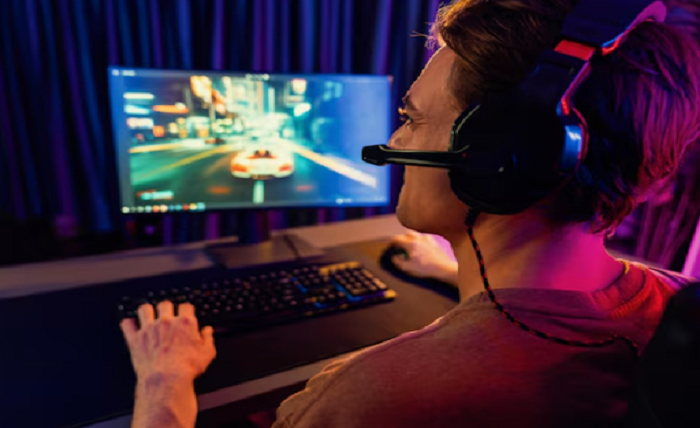
Online gaming has grown far beyond being a form of individual entertainment. It has become a shared digital space where people from different cities, countries, languages, and cultures can interact in real time. A player in one part of the world can join the same game, team, or online community as someone thousands of miles away.
This ability to connect people across different regions is one of the most important changes brought by modern gaming. Faster internet connections, mobile devices, multiplayer platforms, and built-in communication tools have made it easier for players to meet, cooperate, compete, and socialize regardless of physical distance.
Online Gaming Creates Shared Digital Spaces
Traditional games were usually limited by location. People played with friends, family members, or others who were physically nearby. Online gaming changed that model by creating digital environments that can be accessed from almost anywhere.
These shared environments may include multiplayer matches, virtual worlds, social hubs, competitive arenas, or cooperative missions. Players enter the same digital space even though they may be connecting from completely different regions.
Multiplayer Systems Bring Players Together
Multiplayer technology is one of the main reasons online gaming has become so socially connected. Instead of playing only against computer-controlled characters, users can interact with real players.
Depending on the type of slot gacor hari ini game, they may:
- Work together to complete objectives.
- Compete in individual or team-based matches.
- Exchange items or resources.
- Communicate through text or voice chat.
- Participate in community events.
- Join long-term teams, groups, or guilds.
Geographic Distance Matters Less Online
One of the most noticeable features of digital gaming is how easily it reduces the importance of physical distance.
In everyday life, building connections with people in another country may require travel, work, education, or other circumstances. In online games, that connection can happen naturally during a match or shared activity.
Regional Servers Support Wider Participation
Many gaming platforms use regional servers to improve connection quality and organize players efficiently. At the same time, some games allow users to play across different servers or regions.
Cross-region gaming makes it possible for international groups of friends to continue playing together even when they live far apart. This is particularly useful in games where cooperation and communication are central to the experience.
The result is a more connected gaming environment where location becomes less of a barrier to participation.
Communication Tools Make Gaming More Social
Modern online games often include communication features directly within their interfaces. These tools help players exchange information during gameplay, but they also support wider social interaction.
Voice chat allows players to coordinate quickly, while text chat makes it possible to communicate without speaking. Some games also use simple visual signals, emotes, icons, or predefined messages.
Simple Communication Can Cross Language Barriers
Not every player speaks the same language, but online slot games often provide ways to communicate without relying on long conversations.
For example, players may use:
- Map markers.
- Directional signals.
- Character gestures.
- Quick commands.
- Symbols and icons.
- Standard gaming terms.
Gaming Communities Extend Beyond the Game
Connections formed through online gaming often continue outside the game itself.
Players may join discussion groups, community forums, streaming platforms, or social media spaces related to the games they enjoy. These communities give users more opportunities to exchange ideas, discuss strategies, share achievements, and organize future gaming sessions.
Long-Term Friendships Can Develop Naturally
Repeated interaction can turn temporary teammates into regular gaming partners. People who meet during a multiplayer session may continue playing together for weeks, months, or even years.
Because online games often require teamwork, players gradually learn about one another’s communication styles, strengths, preferences, and personalities.
Online Gaming Exposes Players to Different Cultures
International gaming communities also give people opportunities to encounter cultural differences in an informal setting.
Players may hear different accents, learn about regional gaming habits, notice different communication styles, or discover how people in other countries approach teamwork and competition.
These interactions may seem small, but repeated exposure can make digital spaces feel more culturally diverse.
Shared Goals Encourage Cooperation
Online games often give players a clear objective. A team may need to defend an area, solve a challenge, complete a mission, or coordinate a strategy.
When players focus on a shared goal, differences in nationality or location often become less important than cooperation.
Mobile Gaming Has Expanded Global Participation
The growth of mobile gaming has made online interaction accessible to even more people.
Players no longer need a dedicated gaming computer or console to participate in many online experiences. Smartphones and tablets allow users to join multiplayer games from homes, workplaces, schools, or while travelling.
Cross-Platform Gaming Increases Connectivity
Cross-platform technology has also reduced the barriers between different types of devices.
In some games, players using computers, consoles, tablets, and smartphones can participate in the same online environment. This means people are less likely to be separated simply because they use different hardware.
As a result, social groups can stay connected even when members prefer different gaming devices.
Competitive Gaming Builds International Audiences
Competitive online gaming has created another important form of regional connection.
Esports tournaments, ranked competitions, and livestreamed gaming events attract viewers and players from many parts of the world. International tournaments allow audiences to follow teams and players outside their own countries.
This creates communities based on shared enthusiasm rather than location.
Fans may discuss matches, strategies, rankings, and major events with others from different regions. The social experience therefore extends beyond the people actually playing the game.
Online Gaming Reflects a More Connected Digital World
The growth of online gaming shows how digital entertainment is becoming increasingly social and international.
Technology has transformed games into spaces where people can meet, communicate, cooperate, and compete across geographic boundaries. Multiplayer systems, communication tools, mobile access, cross-platform support, and online communities all contribute to this connection.
For many players, the people they interact with are now as important as the games themselves. A gaming session may begin as entertainment, but it can also become an opportunity to meet someone from another region, learn a new way of communicating, or become part of a wider community.
As online gaming continues to develop, its role as a global social space is likely to become even more noticeable. The screen may separate players physically, but the shared experience can bring them surprisingly close together.